



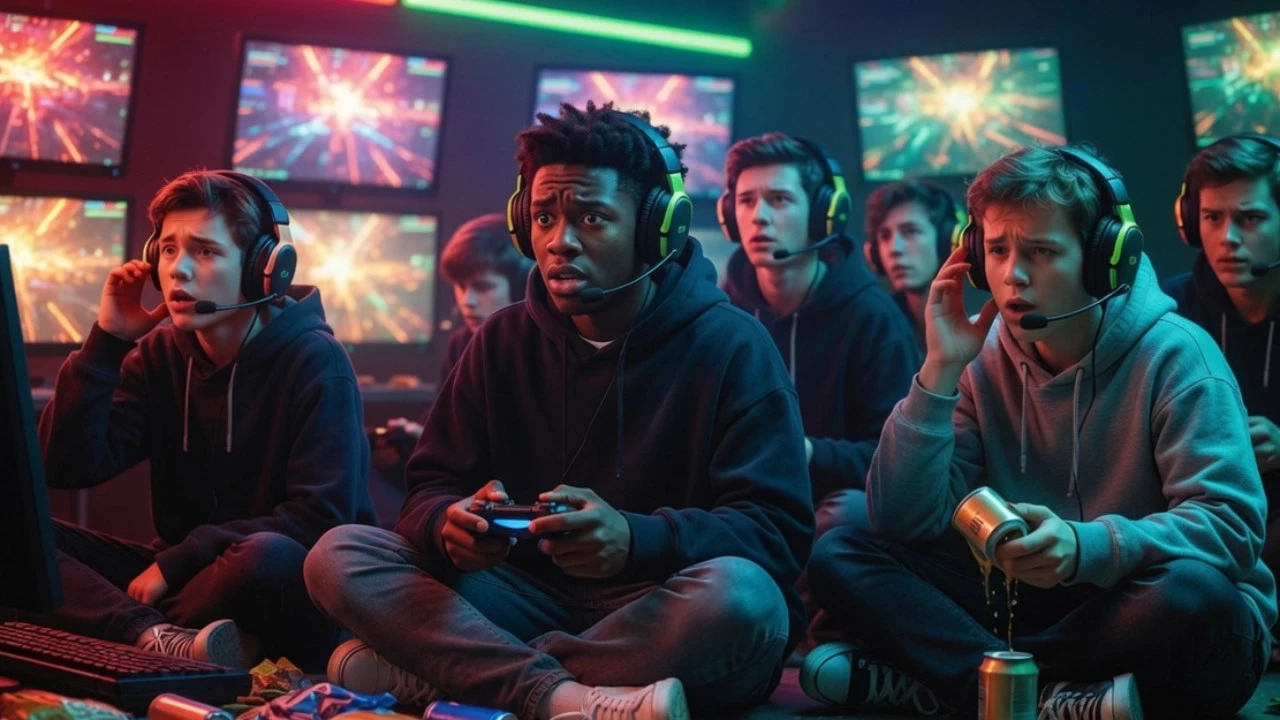
A comprehensive new study conducted by the educational platform Uchi.ru has analyzed the gaming preferences of Russian schoolchildren, revealing fascinating insights into how children’s interests evolve as they grow older. The research demonstrates a clear pattern: as children mature, their gaming preferences shift dramatically from creative sandbox experiences and virtual world exploration toward logic puzzles, strategic thinking games, and competitive multiplayer titles. This transformation reflects broader cognitive development stages and raises important questions for parents, educators, and game developers alike.
The study comes at a time when video gaming has become an integral part of childhood worldwide. In Russia, the gaming industry has experienced remarkable growth over the past decade, with millions of young people spending significant portions of their leisure time engaged in digital entertainment. Understanding what children play and why they gravitate toward certain genres can help parents make informed decisions about screen time and game selection while also highlighting potential educational benefits that modern gaming can offer.
Age-Based Gaming Preferences and Developmental Patterns
According to the Uchi.ru research, younger children between ages 6 and 10 predominantly favor games that emphasize creativity, exploration, and social interaction in virtual environments. Titles like Minecraft and Roblox dominate this age group, allowing children to build elaborate structures, create their own mini-games, and interact with peers in safe digital spaces. These sandbox-style games encourage imagination and provide children with tools to express themselves creatively without the pressure of winning or losing. The appeal lies in the freedom these games offer—there are no strict objectives, and children can play at their own pace while developing spatial reasoning and basic problem-solving skills.
As children enter their teenage years, typically around ages 11 to 14, the research indicates a pronounced shift toward games requiring strategic thinking and logical reasoning. Puzzle games, tower defense titles, and turn-based strategy games see increased popularity among this demographic. Experts suggest this transition aligns with cognitive development milestones, as adolescents become more capable of abstract thinking and long-term planning. The teenage brain craves more complex challenges, and games that reward careful analysis and forward-thinking strategies satisfy this developmental need while potentially strengthening executive function skills.
The Educational Potential and Parental Concerns
Educational researchers have long debated the merits and drawbacks of video gaming among young people. The Uchi.ru study adds valuable data to this ongoing conversation by demonstrating that gaming preferences naturally evolve toward more intellectually demanding content. This progression suggests that games can serve as informal learning tools, gradually introducing more complex cognitive challenges as children become ready for them. Many modern games incorporate elements of mathematics, resource management, and strategic planning—skills that transfer to academic settings and real-world problem-solving scenarios.
However, the research also underscores the importance of parental involvement in children’s gaming habits. While the shift toward strategy and logic games represents positive developmental progression, parents remain concerned about screen time duration, exposure to inappropriate content, and the potential for gaming addiction. Russian authorities have implemented various measures to address these concerns, including age rating systems and discussions about limiting gaming hours for minors. The Uchi.ru platform, known primarily for its educational content, conducted this research partly to help parents understand the gaming landscape and make more informed decisions about which games might offer genuine educational value versus those serving purely as entertainment.
Industry Implications and Future Trends
The findings carry significant implications for game developers targeting the Russian market. Understanding that children’s preferences evolve predictably allows studios to create games that grow with their audience or to develop titles specifically targeting different age brackets. The Russian gaming market, estimated at several billion dollars annually, represents a substantial opportunity for both domestic and international developers. Games that successfully blend entertainment with educational elements stand to benefit from positive parental perception while still engaging young players.
Looking ahead, industry analysts expect the trend toward more sophisticated gaming experiences among older children to continue accelerating. The rise of esports has added competitive gaming to the conversation, with strategy games and team-based titles forming the foundation of this rapidly growing sector. As virtual reality technology becomes more accessible and artificial intelligence continues advancing, the games children play tomorrow may look dramatically different from today’s offerings—yet the fundamental pattern of evolving from creative exploration to strategic competition will likely remain constant.
Expert Opinion: The correlation between age and gaming genre preference validates developmental psychology theories about cognitive maturation. Parents should view this natural progression positively—children gravitating toward strategy games demonstrates healthy intellectual growth. Rather than restricting gaming entirely, families may benefit more from guiding children toward age-appropriate titles that challenge their developing minds while maintaining reasonable time limits.