
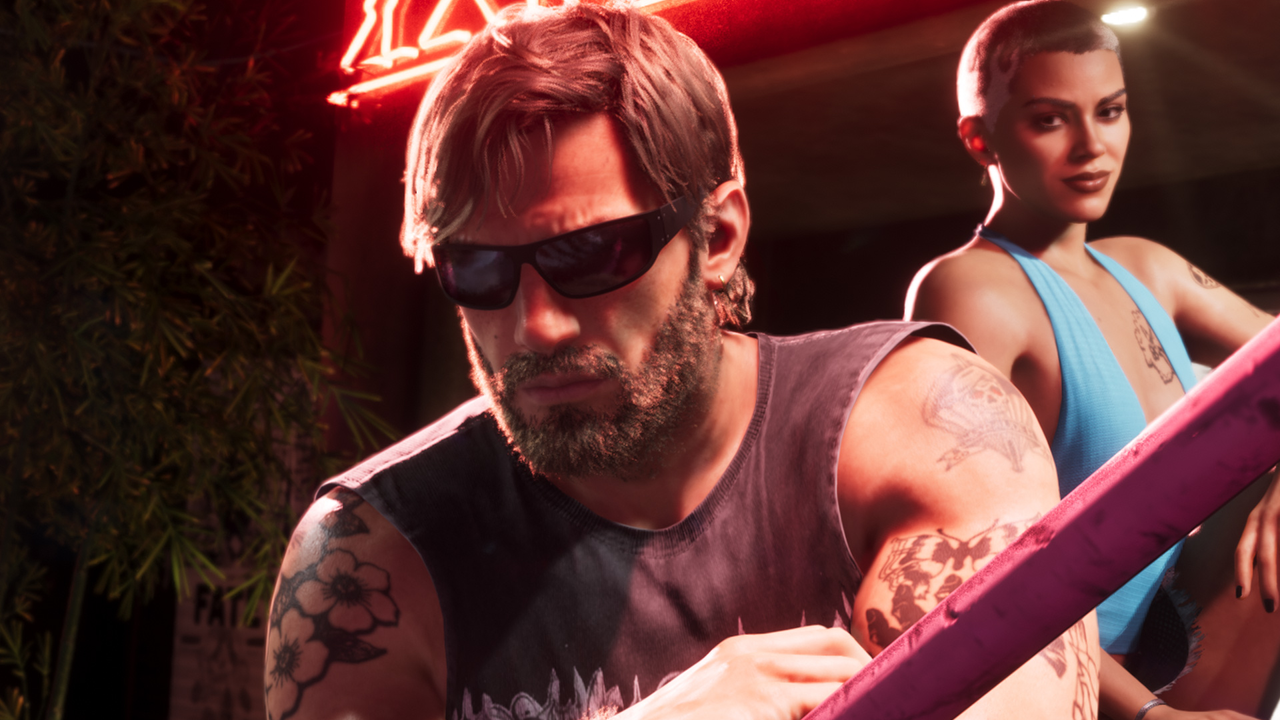
The highly anticipated Grand Theft Auto 6 has become the target of a significant leak campaign orchestrated by an entity known as Cyberleek, which has released what appears to be authentic game footage and materials just months before the scheduled console release. Unlike typical gaming leaks motivated by notoriety or financial gain, Cyberleek has published an extensive manifesto outlining its ideological motivations, positioning itself as a vigilante force against what it describes as systemic anti-consumer practices within the gaming industry. The group has explicitly stated it will not cease its activities until Rockstar Games and parent company Take-Two Interactive issue a formal public apology and make concrete commitments to change their business practices.
The Manifesto: A Declaration Against Industry Practices
In its detailed manifesto, Cyberleek outlined a comprehensive critique of modern gaming industry practices that it considers exploitative toward consumers. The document specifically targets several controversial business models that have become increasingly prevalent over the past decade. “Publishers sell licenses and call them purchases,” the manifesto states. “They ship unfinished games and call them living services. They lock content on discs and call it DLC. They kill games and keep the money. Every year anti-consumerism tightens its grip, and every year gamers get less for what they pay.” These grievances echo longstanding complaints from gaming communities worldwide, touching on issues like digital ownership rights, the practice of shipping incomplete products, and the controversial shuttering of online games that consumers have paid for.
The group has established what it calls three “commandments” that it expects publishers to follow: a prohibition on digital preorders, an end to single-player downloadable content that already exists within game data at launch, and mandatory offline functionality for single-player experiences. This last point has become particularly contentious in recent years as more games require persistent internet connections even for solo play, leaving consumers unable to access products they’ve purchased when servers eventually shut down. Cyberleek has warned that any publisher found violating these principles will face continued targeting until they issue public statements of apology with actionable commitments to reform.
Historical Context: Gaming’s Troubled Relationship with Consumer Rights
The issues raised by Cyberleek, while presented in dramatic fashion, reflect genuine tensions that have simmered within the gaming community for years. The question of digital ownership has become increasingly murky as physical game sales decline and digital storefronts dominate the market. Unlike physical media, digital purchases typically grant users a license to access content rather than true ownership, meaning that access can theoretically be revoked. This concern became concrete reality when various games have been delisted from stores or had their servers shut down, leaving paying customers with nothing. The recent preservation movement within gaming has highlighted how hundreds of titles have become essentially inaccessible due to defunct online requirements.
The practice of “on-disc DLC,” where additional content is discovered to already exist within shipped game data but requires additional payment to unlock, has sparked numerous controversies over the years. Similarly, the “live service” model, while successful for many titles, has also resulted in high-profile failures where games launched in incomplete states, promising future content that sometimes never materialized. Take-Two Interactive and Rockstar themselves have navigated these controversies, with Grand Theft Auto Online’s extensive microtransaction ecosystem generating billions in revenue while drawing criticism from some quarters of the gaming community.
The Leak’s Impact and Industry Response
The timing of this leak campaign could hardly be more damaging for Rockstar and Take-Two. With Grand Theft Auto 6 approximately three months from its console release and a major Netflix reveal event scheduled for the coming week, the leaks threaten to undermine carefully orchestrated marketing plans worth hundreds of millions of dollars. Copyright strikes against the leaked materials have been issued rapidly and aggressively, which industry observers note typically indicates the authenticity of leaked content. Neither Rockstar nor Take-Two has issued public statements regarding the situation as of this writing.
Cyberleek has claimed to be raising funds through a cryptocurrency memecoin to support what it describes as infrastructure needed for continued operations and security measures against “inevitable corporate counterattacks.” This aspect of the campaign has drawn skepticism and criticism, with many observers noting the apparent contradiction between advocating for consumer rights while promoting speculative cryptocurrency investments. The group’s ability to actually sustain a prolonged campaign against major publishers remains highly questionable, as corporations possess substantial legal resources and law enforcement connections for pursuing such actors. History has shown that individuals responsible for major gaming leaks are frequently identified and face severe legal consequences, as demonstrated by the prosecution of the teenager responsible for the 2022 Grand Theft Auto 6 leak.
Expert Opinion: While Cyberleek’s grievances touch on legitimate consumer concerns that the gaming industry has largely failed to address, the vigilante approach through illegal leaks is unlikely to produce meaningful policy changes and more probably will result in criminal prosecution of those involved. The real impact may be accelerating industry conversations about digital ownership and game preservation that regulatory bodies in the EU and elsewhere have already begun examining. Ultimately, sustainable consumer protection improvements will come through legislation and market pressure rather than through criminal hacking campaigns.