



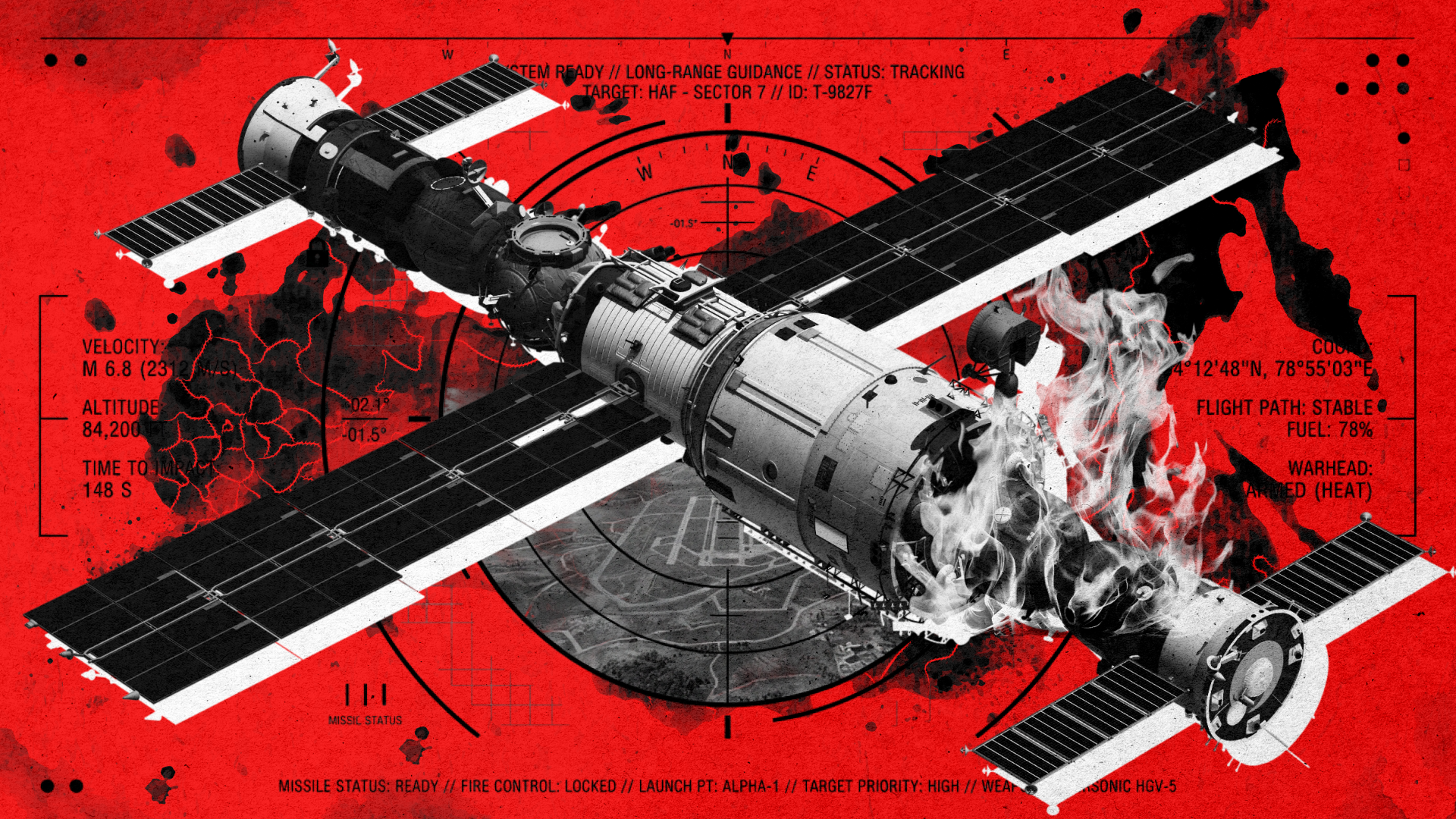
Ukraine has significantly intensified its campaign against Russian space and satellite infrastructure, marking a strategic shift that experts believe could fundamentally alter the dynamics of the ongoing conflict. As Kyiv develops and deploys increasingly sophisticated long-range strike capabilities, Moscow’s space-based assets—critical for military communications, reconnaissance, and precision targeting—have become priority targets. This escalation represents one of the most technologically complex aspects of modern warfare and highlights Ukraine’s growing ability to challenge Russian military advantages in unconventional domains.
The targeting of space infrastructure represents a calculated Ukrainian strategy to degrade Russian command and control capabilities. Modern military operations rely heavily on satellite systems for everything from GPS-guided munitions to real-time battlefield intelligence. By striking ground-based facilities that support these space assets—including command centers, communication hubs, and radar installations—Ukraine aims to blind Russian forces and disrupt their ability to coordinate large-scale operations effectively.
The Strategic Importance of Space Assets in Modern Warfare
Russia’s military doctrine has increasingly emphasized space-based capabilities since the early 2000s. The country operates a constellation of military satellites providing reconnaissance, early warning systems, and secure communications for strategic forces. Ground-based infrastructure supporting these systems—including tracking stations, data processing centers, and launch facilities—are distributed across Russian territory, some within range of Ukrainian strike systems. The loss or degradation of these facilities can have cascading effects throughout the Russian military command structure, potentially affecting operations far beyond the Ukrainian theater.
Historical precedent shows that attacking an adversary’s space-related infrastructure can yield significant strategic dividends. During the Gulf War, coalition forces prioritized Iraqi command and control facilities, effectively paralyzing Saddam Hussein’s military decision-making. Ukraine appears to be applying similar principles, using drone strikes and missiles to target facilities that Russia has long considered safely beyond the reach of Ukrainian weapons. This represents a remarkable evolution in Ukraine’s military capabilities since the war began in February 2022.
Ukrainian Strike Capabilities and Recent Operations
Ukraine’s ability to conduct these strikes stems from a combination of domestically produced systems and Western-supplied weapons. Ukrainian defense industries have developed long-range drones capable of reaching targets deep inside Russian territory, while Western partners have provided increasingly sophisticated missile systems. The exact weapons used in specific strikes remain classified, but military analysts note that Ukraine has demonstrated consistent ability to hit targets hundreds of kilometers from the front lines. These operations require not only capable weapons but also precise intelligence about target locations and vulnerabilities.
The effectiveness of this campaign depends on multiple factors. First, Ukraine must maintain and expand its production capacity for long-range strike systems while simultaneously conducting operations. Second, intelligence gathering—both through Ukrainian sources and Western partners—remains crucial for identifying high-value targets. Third, Russian air defense systems continue to evolve, creating an ongoing technological competition between offensive and defensive capabilities. Western military assistance, particularly in areas such as satellite imagery and signals intelligence, plays an important supporting role in enabling these operations.
Russian Vulnerabilities and Response Measures
Russia’s space infrastructure, while extensive, contains notable vulnerabilities. Many facilities were built during the Soviet era and are located in areas now accessible to Ukrainian strike systems. The concentration of certain capabilities at specific sites creates potential single points of failure. Russian military planners have reportedly begun dispersing some functions and hardening critical infrastructure, but such adaptations require significant time and resources. Meanwhile, every successful Ukrainian strike forces Russia to divert defensive resources and potentially degrade capabilities that support ongoing military operations.
Looking ahead, the trajectory of this campaign will likely depend on several key variables. Western political support for Ukraine’s long-range strike operations remains essential, as does continued provision of intelligence and technology. Ukraine’s domestic defense industry will need sustained investment to maintain production of indigenous systems. Russia, meanwhile, will seek to adapt its defensive posture and potentially pursue its own escalatory options. Military experts suggest that this dimension of the conflict could prove decisive in shaping the war’s eventual outcome, as space-based advantages directly translate into battlefield effectiveness.
Expert Opinion: The systematic degradation of Russian space infrastructure represents a strategic inflection point in the conflict. If Ukraine can sustain this campaign while maintaining Western support, Russia may face increasingly severe limitations on its ability to conduct coordinated, precision military operations. This asymmetric approach allows Ukraine to maximize impact while minimizing direct confrontation with superior Russian conventional forces, potentially reshaping the strategic calculus for both sides in 2025 and beyond.