
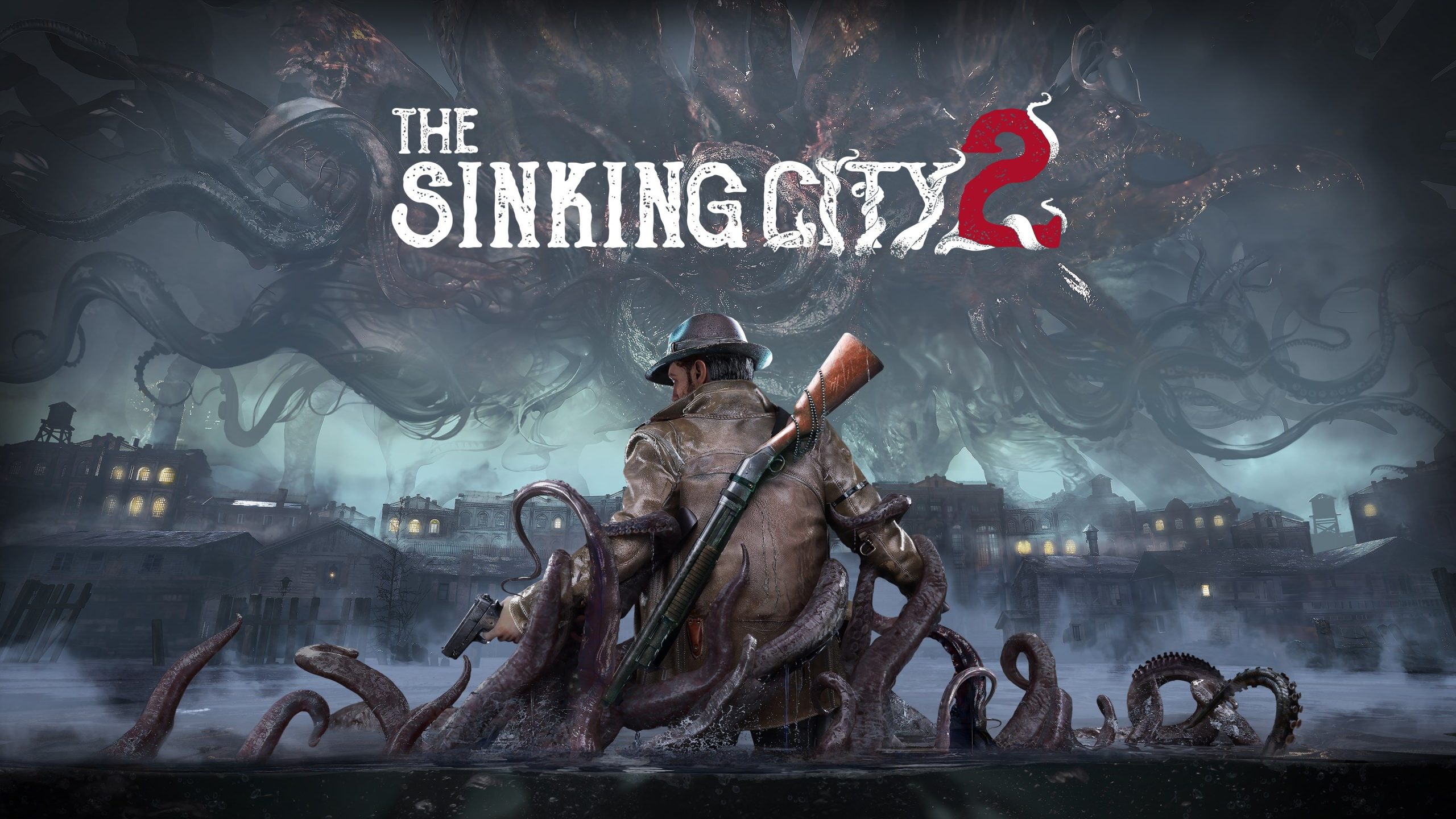
Ukrainian game development studio Frogwares has officially unveiled The Sinking City 2, a highly anticipated sequel that promises to deliver a more focused and terrifying dive into Lovecraftian horror. Known for their critically acclaimed Sherlock Holmes series, the Kyiv-based developers are returning to the cosmic horror genre that captivated players in their original 2019 release. This time, however, the studio is making significant changes to the game’s structure and gameplay mechanics, signaling a bold new direction for the franchise that aims to intensify the psychological terror at the heart of H.P. Lovecraft’s influential mythology.
The sequel draws deeply from the Cthulhu Mythos, the interconnected universe of cosmic horror created by American author H.P. Lovecraft in the early 20th century. Lovecraft’s works, including iconic stories like “The Call of Cthulhu” and “The Shadow over Innsmouth,” have become foundational texts in horror literature, inspiring countless adaptations across various media. The original Sinking City transported players to the fictional flooded city of Oakmont, Massachusetts, where they investigated supernatural occurrences while battling otherworldly creatures and maintaining their sanity. The game received praise for its atmospheric world-building and detective mechanics, though some critics noted that its open-world format occasionally diluted the tension essential to effective horror storytelling.
A Strategic Shift from Open World to Chapter-Based Exploration
One of the most significant changes in The Sinking City 2 involves the fundamental restructuring of how players will experience the game world. Frogwares has made the deliberate decision to move away from the open-world format that characterized the first installment, opting instead for defined explorable areas within each chapter. This design philosophy suggests the studio is prioritizing atmospheric density and narrative pacing over sheer geographical scope. By constraining exploration to carefully crafted environments, the developers can exercise greater control over tension building, ensuring that every corner holds potential terror and every shadow might conceal unspeakable horrors lurking just beyond human comprehension.
This structural change reflects a broader trend in horror game design, where many developers have recognized that smaller, more intricately designed spaces often deliver more effective scares than sprawling open worlds. Games like Resident Evil Village and the Dead Space remake have demonstrated that carefully paced, semi-linear experiences can create more memorable horror moments. The chapter-based approach also allows for greater variety in settings and scenarios, potentially taking players through diverse nightmare landscapes while maintaining the cohesive narrative thread that Lovecraftian horror demands. Industry analysts suggest this pivot could address criticisms of the original game while amplifying what worked best about its atmospheric storytelling.
Doubling Down on Survival Horror Mechanics
Frogwares has emphasized that The Sinking City 2 will significantly enhance its survival horror elements, suggesting players can expect more intense encounters, scarcer resources, and heightened psychological tension. The survival horror genre, which traces its modern roots to games like Resident Evil and Silent Hill, relies on creating a persistent sense of vulnerability and dread. By doubling down on these mechanics, the studio appears committed to making players feel genuinely threatened by the cosmic terrors they encounter. This could manifest through limited ammunition, degrading sanity systems, and encounters with enemies that cannot simply be fought but must sometimes be avoided or outsmarted.
The development of The Sinking City 2 carries additional significance given Frogwares’ status as a Ukrainian studio continuing operations during extraordinarily challenging circumstances. The company has maintained its creative output despite the ongoing conflict in their homeland, demonstrating remarkable resilience and dedication to their craft. Their previous Sherlock Holmes titles, including “Sherlock Holmes: Crimes and Punishments” and “Sherlock Holmes Chapter One,” established the studio’s expertise in detective-focused gameplay and atmospheric Victorian-era settings. This experience translates naturally to Lovecraftian horror, where investigation and uncovering forbidden knowledge are central themes. Fans of cosmic horror and survival games alike are eagerly anticipating what promises to be an ambitious and terrifying journey into madness when The Sinking City 2 eventually releases.
Expert Opinion: The shift from open-world to chapter-based design represents a mature creative decision that could significantly elevate The Sinking City franchise. By focusing resources on densely atmospheric, carefully paced environments, Frogwares is positioning themselves to deliver one of the most authentic Lovecraftian gaming experiences to date. Given the studio’s proven track record with investigative gameplay and their demonstrated resilience, The Sinking City 2 has the potential to become a defining title in the survival horror renaissance we’re currently witnessing.