
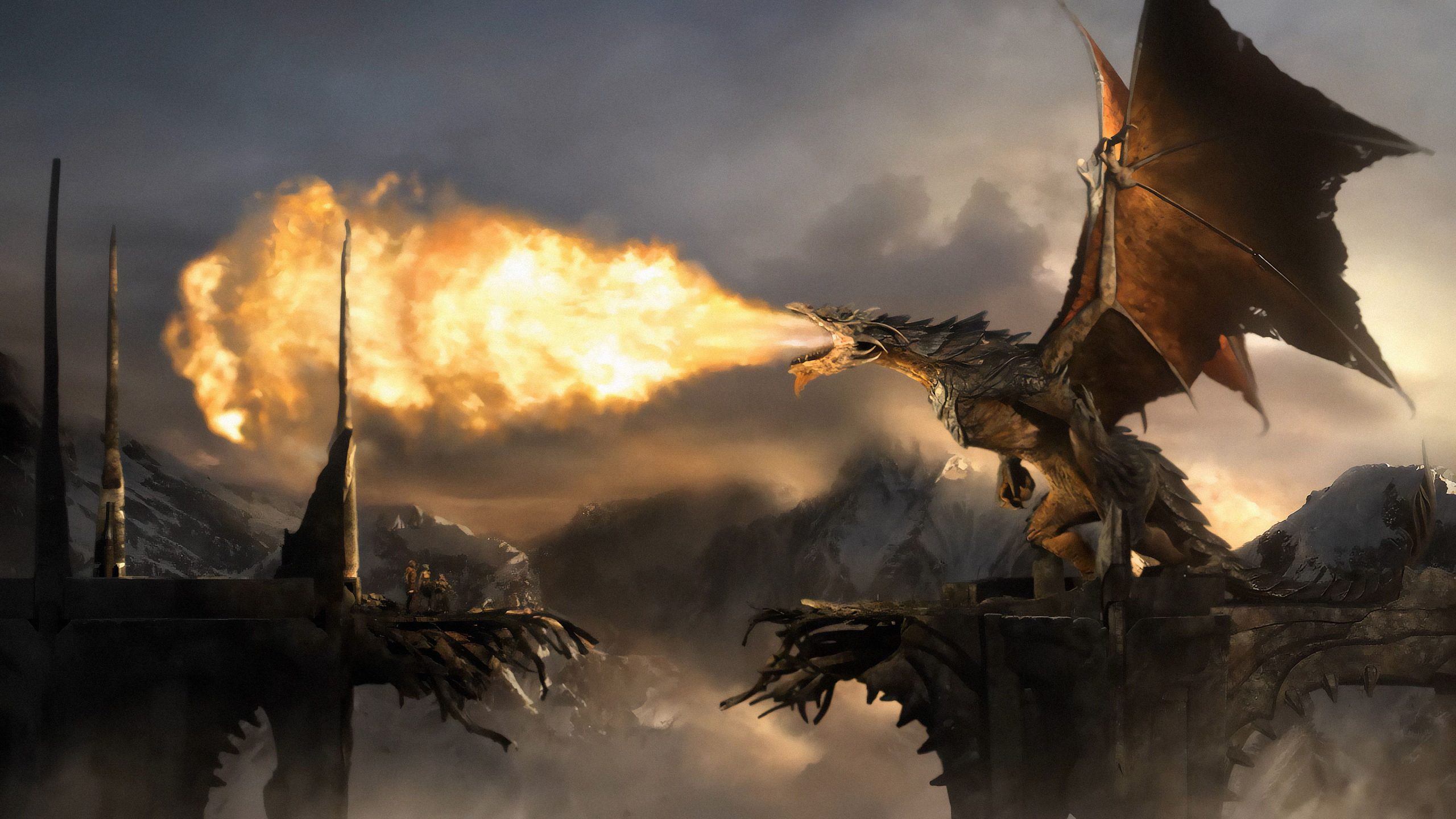
The Lord of the Rings IP has enjoyed a long and storied history in the gaming world, with some titles achieving legendary status while others have faded into the mists of time. During the early to mid-2000s, publisher Electronic Arts delivered numerous high-quality experiences that captured the magic of Peter Jackson’s acclaimed film trilogy, including the beloved hack-and-slash adventures The Two Towers and The Return of the King, the critically acclaimed real-time strategy game The Battle for Middle-earth, and the surprisingly deep RPG The Third Age. These games set a high bar for what Middle-earth adaptations could achieve, combining faithful representations of the source material with genuinely engaging gameplay mechanics that appealed to both Tolkien enthusiasts and casual gamers alike.
When the license transferred to Warner Bros. Interactive Entertainment, expectations remained high for what the new steward of gaming rights might accomplish. The publisher wasted no time capitalizing on the beloved franchise, first releasing the family-friendly Aragorn’s Quest in 2010, followed by the more ambitious The Lord of the Rings: War in the North in 2011. Developed by Snowblind Studios, the team behind the cult classic Baldur’s Gate: Dark Alliance series, War in the North promised a mature, cooperative action RPG experience that would explore untold stories from Tolkien’s vast mythology. Unfortunately, what players received was a middling experience that struggled to capture either the cinematic grandeur of Peter Jackson’s films or the literary depth of Tolkien’s writings.
A Forgotten Chapter of Middle-earth Gaming
War in the North attempted something genuinely interesting by shifting focus away from the familiar Fellowship and toward a parallel conflict occurring in the northern regions of Middle-earth during the War of the Ring. Players controlled one of three heroes—Eradan the ranger, Andriel the elven mage, or Farin the dwarven champion—as they battled the forces of Agandaûr, a lieutenant of Sauron threatening the Free Peoples from the north. This narrative approach had potential, as Tolkien’s appendices hint at numerous battles and conflicts that occurred simultaneously with Frodo’s quest to destroy the One Ring. The game featured locations like Mount Gundabad, the Ettenmoors, and Fornost, areas rarely explored in Middle-earth media.
Despite its promising premise, the execution left much to be desired. The combat system, while functional, felt repetitive and lacked the visceral impact of contemporaries like God of War or even EA’s earlier Lord of the Rings titles. The cooperative gameplay, designed for up to three players, suffered from poor AI companions when playing solo, and the loot system felt generic compared to the Diablo-style games it clearly drew inspiration from. Critics at the time awarded the game middling scores, typically ranging from 5 to 7 out of 10, praising its cooperative features while criticizing its uninspired gameplay loop and forgettable story.
The Shadow of Better Games
War in the North’s legacy was further diminished by what came next. In 2014, Warner Bros. released Middle-earth: Shadow of Mordor, developed by Monolith Productions, which revolutionized licensed games with its innovative Nemesis System and proved that Lord of the Rings games could be both commercially successful and critically acclaimed. Shadow of Mordor won numerous Game of the Year awards and spawned an equally successful sequel, Shadow of War, in 2017. These titles demonstrated the potential of the IP in ways that War in the North simply couldn’t match, pushing the earlier game even further into obscurity.
The release of the Legacy Edition in 2024 marks an unusual decision to resurrect a title that few were clamoring to replay. While nostalgia can be a powerful force in gaming, War in the North lacks the devoted cult following that might justify such a re-release. The Legacy Edition offers minimal improvements over the original, providing neither the visual overhaul nor the quality-of-life enhancements that might have elevated this forgotten adventure. For players seeking a cooperative Lord of the Rings experience, the game remains serviceable but unremarkable—a relic of an era when licensed games were often rushed to capitalize on popular franchises rather than crafted with the care they deserved.
Final Verdict: A Relic Best Left in the Past
Fifteen years later, The Lord of the Rings: War in the North remains exactly what it was at launch: a competent but uninspired action RPG that fails to distinguish itself in either the Lord of the Rings gaming pantheon or the broader action RPG genre. The Legacy Edition does little to address the fundamental issues that plagued the original release, offering fans a chance to revisit mediocrity rather than rediscover a hidden gem. With superior Lord of the Rings gaming experiences readily available, including the recent Tales of the Shire and the upcoming titles from various developers, War in the North serves primarily as a historical curiosity—a reminder that not every journey through Middle-earth is worth taking.
Expert Opinion: The re-release of War in the North highlights a troubling trend in the gaming industry where publishers prioritize easy nostalgia plays over meaningful remasters or new content. With Amazon’s Rings of Power series generating renewed interest in Tolkien’s world, we’re likely to see more attempts to monetize the franchise’s gaming back catalog, though consumers would be better served by investment in fresh experiences that truly honor the rich mythology of Middle-earth.